Deep Recovery
Inflammation is loud. Teach your body to quiet it.
You ache in ways that are hard to pinpoint. The fatigue doesn't lift. Your body feels reactive — to food, to stress, to nothing in particular. Inflammation is often invisible on the surface but relentless underneath.
Chronic inflammation is not a life sentence — it's a signal. Specific anti-inflammatory protocols, elimination of known triggers, and targeted supplementation can meaningfully lower your inflammatory markers within weeks.
Your Journey
Below you'll find everything we know about Deep Recovery — the signs, the root causes, proven approaches, and the daily practices that make a difference. Take what resonates and build from there.
Overview
Understanding Deep Recovery
# Deep Recovery: Healing Inflammation at Its Roots Picture this: you wake up feeling heavy, your joints creaking like old floorboards, your mind wrapped in fog, and that persistent fatigue that makes even simple tasks feel monumental. Maybe you've noticed your skin acting up, your digestion rebelling, or that stubborn weight that won't budge despite your best efforts. What you're experiencing isn't weakness or aging—it's your body's cry for deep recovery from chronic inflammation. This isn't the acute inflammation that helps heal a cut; this is the silent, systemic fire that affects nearly 60% of adults worldwide, often flying under the radar for years. It touches everyone from the stressed executive whose cortisol levels never drop, to the dedicated parent juggling endless responsibilities, to the fitness enthusiast who's unknowingly overtraining. Inflammation doesn't discriminate, but it does whisper before it screams, showing up as everything from brain fog and mood swings to digestive issues and autoimmune flareups. The root causes run deeper than most realize, forming an intricate web that connects every system in your body. At the cellular level, your mitochondria—those tiny powerhouses—become overwhelmed by oxidative stress, creating a cascade that triggers inflammatory cytokines like IL-6 and TNF-alpha. Your gut, housing 70% of your immune system, becomes the epicenter when disrupted microbiome diversity allows lipopolysaccharides to leak through the intestinal barrier, sending alarm signals throughout your body. Meanwhile, chronic stress keeps your hypothalamic-pituitary-adrenal axis in overdrive, pumping out cortisol that initially suppresses inflammation but eventually depletes your reserves, leaving you vulnerable. Modern life compounds this with circadian disruption from blue light exposure, processed foods laden with advanced glycation end products (AGEs), and environmental toxins that accumulate in adipose tissue. What's fascinating is how your nervous system, immune system, and endocrine system communicate through shared molecular pathways—when one system struggles, the others follow suit in a symphony of dysfunction. The most promising modern approaches focus on precision and personalization, moving far beyond generic anti-inflammatory protocols. Dr. Rhonda Patrick's research on heat shock proteins shows how sauna therapy (15-20 minutes at 174-212°F, 3-4 times weekly) can dramatically reduce inflammatory markers while boosting heat shock protein 70. Stanford's Dr. Andrew Huberman emphasizes cold exposure protocols—2-4 minutes at 50-59°F—to activate the sympathetic nervous system's recovery mechanisms and reduce pro-inflammatory cytokines. Dr. Peter Attia's work reveals how time-restricted eating (14-16 hour fasts) triggers autophagy, your cellular cleanup system that removes damaged mitochondria and inflammatory debris. Meanwhile, Dr. Mark Hyman's functional medicine approach targets the gut-brain axis with specific protocols: omega-3 fatty acids at therapeutic doses (2-3g EPA/DHA daily), curcumin with piperine for enhanced bioavailability (500-1000mg daily), and targeted probiotic strains like Lactobacillus rhamnosus GG and Bifidobacterium longum that specifically modulate inflammatory pathways. Recent studies from Harvard's Department of Nutrition show that polyphenol-rich foods—particularly quercetin from onions and resveratrol from grapes—can inhibit NF-kappaB, the master switch of inflammation. Ancient healing traditions understood inflammation as energetic imbalance thousands of years before we discovered cytokines. Ayurveda identifies chronic inflammation as excess pitta (fire element) combined with accumulated ama (toxins), prescribing cooling herbs like turmeric (containing 95% standardized curcuminoids), brahmi for neuroinflammation, and triphala for gentle detoxification. The practice of abhyanga (warm oil massage) isn't just relaxation—it stimulates lymphatic drainage and reduces inflammatory markers. Traditional Chinese Medicine views inflammation as "heat" patterns often stemming from liver qi stagnation, treating it with herbs like huang qin (scutellaria) and gan cao (licorice root) while emphasizing acupuncture points that regulate the immune system. Japanese healing traditions contribute forest bathing (shinrin-yoku), now scientifically validated to reduce inflammatory cytokines and boost natural killer cells within just 15 minutes of exposure to phytoncides from trees. This is where Wellav8's whole-person intelligence becomes transformative. Inflammation isn't a single problem requiring a single solution—it's a complex adaptive response that demands personalized intervention across multiple systems simultaneously. While conventional medicine might prescribe anti-inflammatory drugs that mask symptoms, and wellness culture might suggest generic protocols, true deep recovery requires understanding your unique inflammatory fingerprint. Wellav8 recognizes that your genetics, microbiome, stress patterns, sleep architecture, and environmental exposures create a distinctive inflammatory signature that responds differently to various interventions. By integrating biomarker tracking with ancient wisdom and modern precision protocols, the platform helps you identify whether your inflammation stems from gut dysbiosis, mitochondrial dysfunction, circadian disruption, or emotional stress—then creates targeted interventions that address root causes rather than just symptoms. This isn't about choosing between science and tradition; it's about orchestrating both into a personalized symphony of healing that honors your body's innate wisdom while leveraging cutting-edge research to guide your path to deep, lasting recovery.
Recognise it
What You Might Be Experiencing
The why
What's Really Going On
Poor diet high in processed foods: Refined sugars, trans fats, and excess omega-6 oils trigger inflammatory pathways and disrupt cellular metabolism
Chronic stress: Elevated cortisol levels activate inflammatory cytokines and suppress anti-inflammatory mechanisms throughout the body
Gut dysbiosis: Imbalanced intestinal bacteria produce inflammatory compounds and compromise the gut barrier, allowing toxins to enter systemic circulation
Environmental toxin exposure: Heavy metals, pesticides, and chemical pollutants overwhelm detoxification pathways and trigger inflammatory immune responses
Sedentary lifestyle: Lack of physical activity reduces anti-inflammatory muscle-derived myokines and promotes inflammatory adipose tissue accumulation
Sleep deprivation: Poor sleep quality disrupts immune regulation and increases pro-inflammatory markers like IL-6 and TNF-alpha
Food sensitivities: Immune reactions to specific foods create ongoing inflammatory cascades and intestinal permeability
Hormonal imbalances: Insulin resistance, thyroid dysfunction, and sex hormone disruption all contribute to systemic inflammatory states
Chronic infections: Hidden infections from bacteria, viruses, or parasites maintain persistent immune activation and inflammatory responses
Evidence-Based Protocols
Approaches That Work
These aren't random tips from the internet. They're structured protocols — some from cutting-edge labs, some from 3,000-year-old traditions — that real people use.
Protocols coming soon. Talk to your advisor for personalised guidance.
Targeted support
What Can Help
Nature's pharmacy is extraordinary. These supplements have real evidence behind them.
Curcumin (Turmeric Extract)
StrongDosage: 500-1000mg daily with piperine
Timing: With meals
Inhibits NF-kB inflammatory pathway and reduces cytokine production while providing antioxidant protection.
May increase bleeding risk with blood thinners; can increase iron absorption
Omega-3 Fatty Acids (EPA/DHA)
StrongDosage: 1000-2000mg EPA daily
Timing: With meals
Produces specialized pro-resolving mediators that actively resolve inflammation and support cellular membrane health.
High doses may increase bleeding risk; choose third-party tested products
Boswellia Serrata
ModerateDosage: 300-500mg standardized extract
Timing: Between meals
Blocks 5-lipoxygenase enzyme to reduce inflammatory leukotrienes and protect joint cartilage.
May interact with anti-inflammatory medications; start with lower doses
Quercetin
ModerateDosage: 500-1000mg daily
Timing: Between meals with vitamin C
Acts as a natural antihistamine and mast cell stabilizer while inhibiting inflammatory enzymes.
May interact with blood thinners; can affect drug metabolism
Ginger Root Extract
ModerateDosage: 250-500mg standardized extract
Timing: With meals
Inhibits cyclooxygenase and lipoxygenase pathways while reducing inflammatory prostaglandins.
May increase bleeding risk; can affect blood sugar levels
Specialized Pro-Resolving Mediators (SPMs)
EmergingDosage: As directed by manufacturer
Timing: With meals
Directly supports the body's natural inflammation resolution process through bioactive lipid mediators.
Relatively new supplement category; ensure quality sourcing
Daily practice
Daily Practices
Small changes, compounded daily, create extraordinary results.
Regular Anti-Inflammatory Movement
Engage in moderate exercise like walking, swimming, or yoga for 30-45 minutes daily. Physical activity produces anti-inflammatory myokines and reduces inflammatory markers while improving circulation.
physical
Stress Reduction Practices
Implement daily meditation, deep breathing, or mindfulness practices for 10-20 minutes. Chronic stress management lowers cortisol and inflammatory cytokines while activating the parasympathetic nervous system.
mental
Optimize Sleep Quality
Maintain 7-9 hours of quality sleep with consistent bedtime routines and dark, cool environments. Adequate sleep is essential for inflammatory marker regulation and immune system recovery.
physical
Cold Exposure Therapy
Practice cold showers, ice baths, or cryotherapy 2-3 times weekly. Controlled cold exposure activates anti-inflammatory pathways and increases resilience to stress-induced inflammation.
physical
Environmental Toxin Reduction
Minimize exposure to inflammatory triggers by using natural cleaning products, filtering water, and choosing organic foods when possible. Reducing toxic load supports natural detoxification and reduces inflammatory burden.
environmental
Cultivate Social Connections
Maintain meaningful relationships and community involvement through regular social activities. Strong social bonds reduce inflammatory markers and support emotional resilience against stress-induced inflammation.
emotional
Grounding Practices
Spend time in nature with direct earth contact through barefoot walking or gardening. Grounding may reduce inflammatory markers by neutralizing free radicals through electron transfer from the earth.
spiritual
Nutrition guidance
Foods That Help
Your kitchen is your first pharmacy.
Foods That Help
Fatty Fish (Salmon, Mackerel, Sardines)
Rich in omega-3 fatty acids EPA and DHA that produce anti-inflammatory compounds
Leafy Greens (Spinach, Kale, Arugula)
High in antioxidants and nitrates that reduce inflammatory markers and support cellular repair
Berries (Blueberries, Cherries, Blackberries)
Contain anthocyanins and polyphenols that inhibit inflammatory pathways
Turmeric and Ginger
Provide curcumin and gingerols that block inflammatory enzyme activity
Green Tea
Contains EGCG and other catechins that reduce inflammatory cytokines
Olive Oil (Extra Virgin)
Rich in oleocanthal, a compound with anti-inflammatory effects similar to ibuprofen
Nuts and Seeds (Walnuts, Flaxseeds)
Provide omega-3 ALA and vitamin E that support anti-inflammatory processes
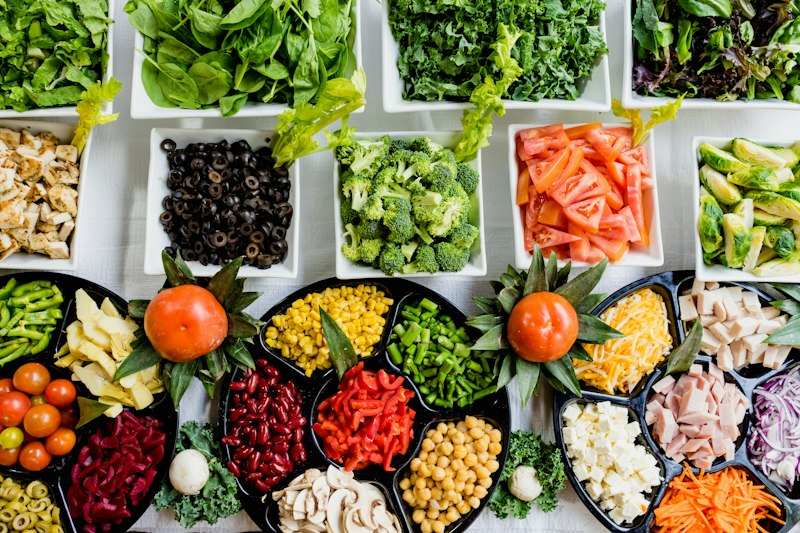
Colorful Vegetables (Bell Peppers, Beets, Broccoli)
Supply diverse antioxidants and phytonutrients that neutralize inflammatory free radicals
Bone Broth
Contains collagen, glycine, and minerals that support gut health and reduce inflammation
Fermented Foods (Kimchi, Sauerkraut, Kefir)
Provide beneficial probiotics that support gut health and immune regulation
Foods to Watch
Processed and Ultra-Processed Foods
Contain inflammatory additives, preservatives, and trans fats that trigger immune responses
Refined Sugar and High Fructose Corn Syrup
Spike blood glucose and insulin levels, promoting inflammatory pathways and AGE formation
Vegetable and Seed Oils High in Omega-6
Create inflammatory imbalance when consumed in excess relative to omega-3 fatty acids
Conventionally Raised Red Meat
Higher in inflammatory omega-6 fats and may contain hormone residues that promote inflammation
Refined Grains and Gluten
Can trigger inflammatory responses in sensitive individuals and lack anti-inflammatory nutrients
Alcohol in Excess
Disrupts gut barrier function and liver detoxification, promoting inflammatory cytokine release
Artificial Sweeteners and Additives
May disrupt gut microbiome balance and trigger inflammatory immune responses
Keep Exploring
Related Challenges
Browse community challenges
Join guided protocols with others
When your deep recovery improves, everything shifts.
The joint stiffness fades. Morning movement becomes fluid.
Your skin calms. Redness and irritation reduce.
Your gut settles. Inflammation was driving the bloating.
Your energy returns. Chronic inflammation is exhausting.
Your blood markers improve — CRP and ESR normalize.
Products that support deep recovery.
Every product meets the Wellav8 Standard \u2014 third-party tested, no proprietary blends, verified effective.
T
Thorne
Thorne
FiberMend
Feed the bacteria you actually want.
N
Nordic Naturals
Nordic Naturals
ProOmega
The omega-3 that actually gets absorbed.
T
Thorne
Thorne
Quercetin Phytosome
Nature’s antihistamine, amplified 20x.
N
Nordic Naturals
Nordic Naturals
Ultimate Omega
The most studied nutrient for depression. In your hands.
Personalised guidance
Want to go deeper on Deep Recovery?
Your advisor has access to thousands of curated research chunks on this topic. Ask anything — in plain language.
Talk to Your Advisor