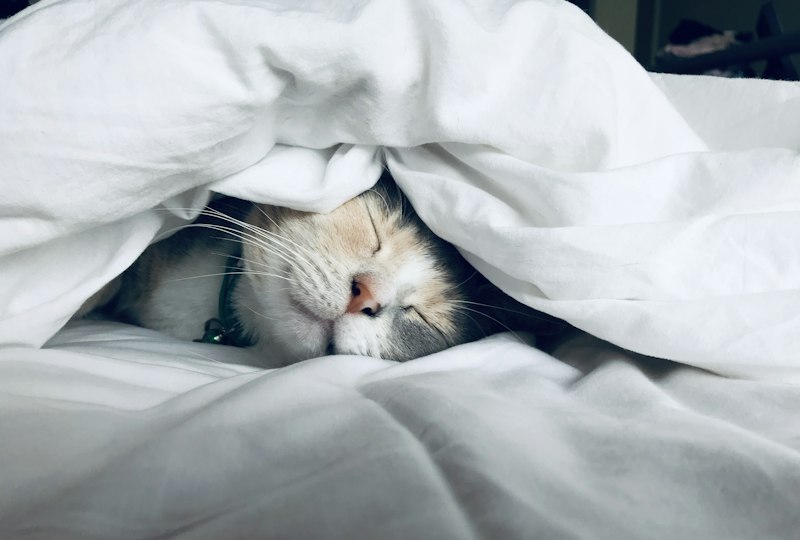
Better Sleep
Wake up actually rested. Every single day.
Your Journey
Below you'll find everything we know about Better Sleep — the signs, the root causes, proven approaches, and the daily practices that make a difference. Take what resonates and build from there.
Overview
Understanding Better Sleep
# Better Sleep: The Foundation of Human Flourishing If you're reading this at 2 AM with gritty eyes and a racing mind, you're part of a massive global experiment that's failing spectacularly. Sleep deprivation has become so normalized that we badge-of-honor our exhaustion, treating rest like a luxury rather than the biological necessity it is. But here's what's really happening: your brain is literally drowning in its own metabolic waste, your immune system is surrendering to inflammation, and your hormones are staging a revolt that affects everything from your appetite to your ability to find joy in a sunset. This isn't just about feeling tired—poor sleep is rewiring your neural circuits, accelerating cellular aging, and fundamentally altering who you are. Whether you're a new parent surviving on fragments of REM, a shift worker fighting your circadian biology, or someone whose mind treats bedtime like a highlight reel of every mistake you've ever made, the quality of your sleep determines the quality of your life in ways that go far deeper than morning grogginess. The root causes of sleep disruption reveal just how interconnected our body systems truly are, creating cascading effects that most people never connect to their restless nights. Dr. Matthew Walker's groundbreaking research shows that even a single night of poor sleep reduces natural killer cell activity by 70%, while Dr. Peter Attia's work reveals how sleep fragmentation triggers a inflammatory cascade that begins in your gut microbiome and travels to your brain via the vagus nerve. Your adenosine system—the biological pressure that builds sleep drive—becomes dysregulated not just by caffeine, but by chronic stress that keeps cortisol elevated when it should naturally decline. Meanwhile, your temperature regulation, controlled by the suprachiasmatic nucleus, gets confused by artificial light exposure, particularly blue light after sunset, which suppresses melatonin production for hours. The liver's natural detoxification cycles, which peak during deep sleep stages, become compromised when your circadian rhythm is disrupted, leading to a toxic buildup that further fragments your sleep architecture. This creates a vicious cycle where poor sleep impairs the very systems needed for restorative sleep. Modern sleep science has revolutionized our understanding with precise, actionable protocols that go far beyond "sleep hygiene" platitudes. Dr. Andrew Huberman's research on light exposure reveals that viewing bright light within the first hour of waking, followed by avoiding artificial light 2-3 hours before bed, can reset circadian rhythms within days. His temperature manipulation protocol—taking a hot bath or sauna 1-2 hours before bed to trigger compensatory cooling—leverages your body's natural thermoregulation for deeper sleep. Dr. Rhonda Patrick's work on time-restricted eating shows that finishing meals 3-4 hours before sleep optimizes melatonin production, while her research on magnesium glycinate (200-400mg) and glycine (1-3g) provides the raw materials for GABA production and temperature regulation. The Stanford Sleep Lab's cognitive shuffling technique—mentally visualizing random, emotionally neutral objects for 10-15 minutes—effectively interrupts rumination patterns that keep your prefrontal cortex active. Perhaps most promising is the emerging field of sleep restriction therapy, where temporarily limiting time in bed to actual sleep time (determined by sleep tracking) rebuilds sleep pressure and consolidates fragmented sleep architecture within 2-4 weeks. Ancient healing traditions understood sleep as the foundation of vitality long before we had EEGs to measure sleep stages, developing sophisticated approaches that modern science is now validating. Ayurveda recognizes sleep as one of the three pillars of health (alongside food and relationships), teaching that quality rest depends on balancing your dominant dosha through specific practices—Vata types benefit from warm oil massage and consistent routines, Pitta individuals need cooling practices and earlier bedtimes, while Kapha constitutions require gentle stimulation and later sleep times to prevent sluggishness. Traditional Chinese Medicine views insomnia through the lens of organ meridians, with liver qi stagnation (causing 1-3 AM waking) addressed through acupressure points like Yintang and Shenmen, while heart fire (causing difficulty falling asleep) is calmed through herbs like jujube date and schisandra berry. Japanese forest bathing (shinrin-yoku) research shows that spending just 2 hours weekly in nature reduces cortisol and increases parasympathetic activity that improves sleep quality for up to a month. These traditions also emphasized the sacred transition between waking and sleeping, using rituals like burning specific incenses or practicing gratitude to signal the nervous system that it's safe to surrender consciousness. This is precisely why Wellav8's whole-person approach transforms sleep quality in ways that single interventions cannot. Rather than treating sleep as an isolated problem, our platform recognizes that your 3 AM anxiety might be rooted in afternoon blood sugar crashes, that your restless legs could be connected to magnesium depletion from chronic stress, and that your partner's snoring affects your nervous system's ability to achieve deep sleep stages. By integrating biomarker tracking with ancient constitutional typing, we can identify whether your sleep issues stem from circadian misalignment, nutrient deficiencies, emotional processing patterns, or environmental factors—then create personalized protocols that address root causes rather than symptoms. When we honor both the precision of modern sleep science and the wisdom of traditional practices that have supported human rest for millennia, sleep transforms from an elusive goal into a natural expression of a body and mind in harmony.
Recognise it
What You Might Be Experiencing
The why
What's Really Going On
Circadian rhythm disruption: artificial light exposure suppresses melatonin production and shifts natural sleep-wake cycles
Chronic stress activation: elevated cortisol levels interfere with the natural decline needed for sleep initiation
Neurotransmitter imbalances: low GABA, serotonin, or melatonin levels disrupt sleep regulation pathways
Blood sugar dysregulation: nocturnal hypoglycemia or glucose spikes trigger awakening mechanisms
Magnesium deficiency: inadequate levels impair muscle relaxation and nervous system calming
Sleep apnea or breathing disorders: oxygen disruption triggers frequent micro-awakenings
Hormonal imbalances: declining estrogen, progesterone, or growth hormone affect sleep architecture
Inflammatory states: elevated cytokines and prostaglandins interfere with sleep-promoting mechanisms
Liver congestion: impaired detoxification processes cause restlessness during liver cleansing hours
Kidney yang deficiency: insufficient warming energy leads to frequent urination and cold-induced awakening
Evidence-Based Protocols
Approaches That Work
These aren't random tips from the internet. They're structured protocols — some from cutting-edge labs, some from 3,000-year-old traditions — that real people use.
21-Day Sleep Reset
A circadian rhythm optimization protocol inspired by neuroscience research on light exposure, temperature regulation, and sleep architecture.
Inspired by Andrew Huberman's sleep protocols and Matthew Walker's research
Users report falling asleep 20-40 minutes faster and feeling more rested within 2 weeks
Light Foundation
Establish your circadian anchor with morning sunlight and evening light management.
Temperature Protocol
Use your body's thermal regulation to trigger sleep onset.
Sleep Architecture
Optimize your sleep cycles for maximum restoration.
Ayurvedic Sleep Ritual
A traditional Ayurvedic bedtime routine that calms Vata dosha and prepares the body for deep, restorative sleep.
Rooted in classical Ayurvedic texts, adapted by modern practitioners like Deepak Chopra
Practitioners report deeper sleep, fewer night wakings, and more vivid dreams
Evening Ritual
A multi-sensory wind-down that signals safety and rest to your nervous system.
Targeted support
What Can Help
Nature's pharmacy is extraordinary. These supplements have real evidence behind them.
Magnesium Glycinate
StrongDosage: 200-400mg
Timing: 1-2 hours before bed
Binds to GABA receptors and relaxes nervous system while supporting muscle relaxation
May cause loose stools at high doses; avoid magnesium oxide forms
L-Theanine
StrongDosage: 100-200mg
Timing: 30-60 minutes before bed
Increases alpha brain waves and GABA production while reducing cortisol without sedation
Generally well-tolerated; may interact with blood pressure medications
Melatonin
StrongDosage: 0.5-3mg
Timing: 30 minutes before desired sleep time
Regulates circadian rhythms and signals sleep initiation to the brain
Start with lowest dose; may cause morning grogginess or vivid dreams
Ashwagandha
ModerateDosage: 300-600mg
Timing: Evening with dinner
Adaptogenic herb that reduces cortisol levels and supports parasympathetic nervous system activation
May interact with thyroid medications; avoid during pregnancy
GABA
ModerateDosage: 500-750mg
Timing: 1 hour before bed
Primary inhibitory neurotransmitter that promotes relaxation and reduces neural excitability
Effectiveness varies as GABA may not cross blood-brain barrier efficiently
Jujube Date Extract
EmergingDosage: 40-80mg
Timing: Evening
Traditional Chinese Medicine herb that nourishes blood and calms the Shen while supporting natural sleep cycles
Generally safe; may interact with sedative medications
Phosphatidylserine
ModerateDosage: 100mg
Timing: Before bed
Helps regulate cortisol rhythm and supports healthy stress response for improved sleep quality
May cause stomach upset if taken on empty stomach
Daily practice
Daily Practices
Small changes, compounded daily, create extraordinary results.
Light Exposure Optimization
Get 10-15 minutes of morning sunlight within 2 hours of waking to anchor circadian rhythms. Use blue light blocking glasses 2-3 hours before bed and dim all lights after sunset to support natural melatonin production.
environmental
Temperature Regulation
Keep bedroom between 65-68°F and take a warm bath or shower 90 minutes before bed. The subsequent drop in core body temperature signals sleep initiation to the brain.
physical
Consistent Sleep Schedule
Maintain the same bedtime and wake time within 30 minutes, even on weekends. This strengthens circadian rhythm patterns and improves sleep efficiency over time.
physical
Evening Wind-Down Ritual
Establish a 60-90 minute pre-sleep routine including relaxing activities like reading, gentle stretching, or meditation. This creates psychological and physiological cues for sleep preparation.
mental
Technology Boundaries
Power down screens 1-2 hours before bed and charge devices outside the bedroom. The electromagnetic fields and stimulating content can disrupt melatonin production and mental relaxation.
environmental
Stress Processing Practice
Dedicate 10-15 minutes daily to journaling, meditation, or breathwork to process the day's stress before it accumulates. Unresolved emotional tension is a primary cause of racing thoughts at bedtime.
emotional
Movement Timing
Exercise regularly but avoid vigorous activity within 3-4 hours of bedtime. Morning or afternoon movement supports deeper sleep by increasing sleep drive and reducing cortisol.
physical
Nutrition guidance
Foods That Help
Your kitchen is your first pharmacy.
Foods That Help
Tart cherries
Natural source of melatonin and anthocyanins that support sleep duration and quality
Walnuts
Contain melatonin, magnesium, and omega-3 fatty acids that support brain health and sleep regulation
Chamomile tea
Apigenin compounds bind to benzodiazepine receptors promoting relaxation and mild sedation
Fatty fish
Omega-3 DHA supports serotonin production and healthy sleep architecture
Kiwi fruit
High in serotonin precursors and antioxidants that improve sleep onset and duration
Almonds
Rich in magnesium and protein that stabilize blood sugar and promote muscle relaxation
Passionflower tea
Increases GABA production and reduces anxiety-related sleep disturbances
Turkey
Contains tryptophan which converts to serotonin and melatonin for natural sleep promotion
Oatmeal
Complex carbohydrates support tryptophan uptake and provide steady glucose for nighttime brain function
Banana
Magnesium and potassium content supports muscle relaxation while natural sugars aid tryptophan transport
Foods to Watch
Caffeine after 2 PM
Half-life of 6-8 hours means afternoon coffee can still disrupt sleep initiation and deep sleep phases
Alcohol within 3 hours of bed
Initially sedating but disrupts REM sleep and causes rebound alertness during sleep cycles
Large meals before bed
Digestion raises core body temperature and diverts energy from sleep processes
High-sugar foods in evening
Blood sugar spikes and crashes trigger awakening and stress hormone release
Spicy foods near bedtime
Can raise body temperature and cause digestive discomfort that interferes with sleep quality
Excessive fluids 2 hours before bed
Increases likelihood of nighttime awakenings due to bathroom trips
Keep Exploring
Related Challenges
Browse community challenges
Join guided protocols with others
When your better sleep improves, everything shifts.
You wake up before your alarm — refreshed, not groggy.
Your mind is clear by 9am. Decisions feel easier.
Your cravings drop. You stop reaching for sugar by 3pm.
Your immune system strengthens. You stop catching every cold.
Your mood stabilizes. The irritability fades.
Products that support better sleep.
Every product meets the Wellav8 Standard \u2014 third-party tested, no proprietary blends, verified effective.
T
Thorne
Thorne
Magnesium Bisglycinate
The gold standard in bioavailable magnesium.
M
Momentous
Momentous
Huberman Sleep Pack
The exact stack Huberman uses. In one pack.
O
Oura
Oura
Oura Ring Gen 3
Know your sleep better than your doctor does.
M
Momentous
Momentous
Ashwagandha (KSM-66)
3,000 years of Ayurvedic wisdom, validated by modern science.
A
Apollo
Apollo
Apollo Neuro
Touch therapy meets neuroscience. On your wrist.
T
Thorne
Thorne
PharmaGABA
Natural GABA that actually crosses the blood-brain barrier.
Personalised guidance
Want to go deeper on Better Sleep?
Your advisor has access to thousands of curated research chunks on this topic. Ask anything — in plain language.
Talk to Your Advisor